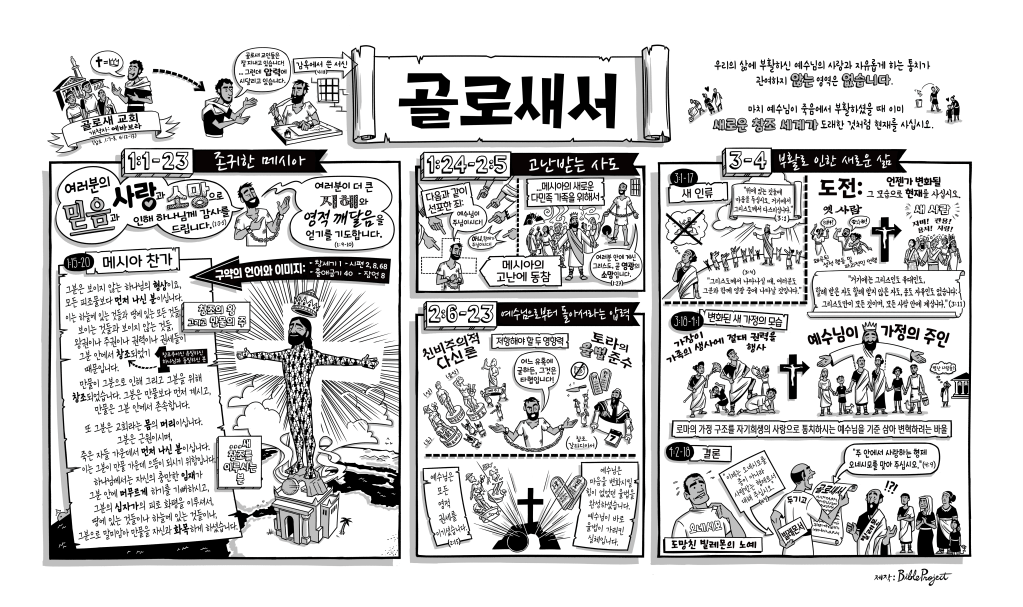
Colossians 1.11–14 파워와 죄사함 Power & Forgiveness of Sins
verse 11
(KorRV) 그 영광의 힘을 좇아 모든 능력으로 능하게 하시며 기쁨으로 모든 견딤과 오래 참음에 이르게 하시고
(NASB2020) strengthened with all power, according to His glorious might, for the attaining of all perseverance and patience; joyously
(BB) En jullie zullen vol worden van zijn hemelse kracht. Door die kracht zullen jullie kunnen volhouden en alles met blijdschap kunnen verdragen.
(THGNT) εὐχαριστοῦντες τῷ πατρὶ τῷ ἱκανώσαντι ὑμᾶς εἰς τὴν μερίδα τοῦ κλήρου τῶν ἁγίων ἐν τῷ φωτί,
앞 절들에서 이어지는… 우리가 하나님을 아는 것으로 “채워”졌을 때 일어나는 일:
- 능하다, 능력있다, 파워풀하다, 할 수 있다.
- 견딤과 오래참음에 이를 수 있다.
성경은 뒤의 말이 앞의 말을 풀어주는 때가 많은 데, 그럼 곧 ‘능력있다!’ 라는 말은 ‘잘 견디고 오래참는’ 다는 말이 된다! 얼마나 (세상에서는) 말이 안 되는가! …파라프레이즈하자면 하나님께서 보여주시는 힘의 원리에 따라 우리도 능력있는 사람들이 되는데, 즉, 우리가 오래참고 견디는 것을 잘 할 수 있을 뿐만 아니라, 오래참고 견디는 것을 즐거워하게 된다!
When we are “filled” with the knowledge of God, this happens (continued..):
- We become strong, powerful, and able.
- We gain endurance and patience.
The Bible often explains one phrase with the next, so in this case, being “powerful” means being able to endure and be patient! How counterintuitive is that from a worldly perspective?
To paraphrase: According to the principle of strength that God reveals, we become truly powerful—not in the way the world defines power, but in our ability to endure, to be patient, and even to find joy in it!
verse 12
(KorRV) 우리로 하여금 빛 가운데서 성도의 기업의 부분을 얻기에 합당하게 하신 아버지께 감사하게 하시기를 원하노라
(NASB2020) giving thanks to the Father, who has qualified us to share in the inheritance of the saints in light.
(BB) Ook zullen jullie de Vader danken, die jullie geschikt heeft gemaakt om zijn erfenis te krijgen. Die erfenis ligt klaar voor iedereen die bij zijn Koninkrijk van het licht hoort.
(THGNT) εὐχαριστοῦντες τῷ πατρὶ τῷ ἱκανώσαντι ὑμᾶς εἰς τὴν μερίδα τοῦ κλήρου τῶν ἁγίων ἐν τῷ φωτί,
빛 곧 밝은 데서, 사물의 형체를 사리분별을 제대로 할 수 있게 된 환경에서 하나님의 유산을 받게 되었고 그렇게 받을 만한 사람들이 되게 하신 하나님께 감사드린다 -> 그런데 이 감사하는 일도 하나님을 아는 지식으로써, 하나님에 의해, 채워져야 될 수 있는 일. 그래서 바울은 ‘저들이 하나님께 감사할 수 있게 해 주세요’ 라고 기도하고 있다.
In the light—where everything is clear, where we can see things as they truly are, we give thanks to God, who not only has given us our share of the inherintance but also has made us worthy to receive His inheritance. But even this act of giving thanks is only possible when we are filled by God with the knowledge of knowing Him. That’s why Paul is praying in effect, “Lord, help them to give thanks to you.”
verse 13
(KorRV) 그가 우리를 흑암의 권세에서 건져내사 그의 사랑의 아들의 나라로 옮기셨으니
(NASB2020) For He rescued us from the domain of darkness, and transferred us to the kingdom of His beloved Son,
(BB) Hij heeft ons gered uit de macht van de duisternis. En Hij heeft ons overgeplaatst in het Koninkrijk van zijn Zoon, van wie Hij heel veel houdt.
(THGNT) ὃς ἐρρύσατο ἡμᾶς ἐκ τῆς ἐξουσίας τοῦ σκότους καὶ μετέστησεν εἰς τὴν βασιλείαν τοῦ υἱοῦ τῆς ἀγάπης αὐτοῦ,
우리가 기억하지 못해서 그렇지만 우리는 빛에 있기 전, 어두움 속에 있었는데 거기에선 사리분별을 못 할 뿐 더러, 어떤 힘이 우리를 잡고 있었다. 성경의 역사 속에서 보자면 이스라엘이 이집트에서 궂은 노동을 하는 노예로 이집트 왕조라는 힘 아래 눌려 있었던 것이 우리의 상황을 비유해 준다. 그런데 하나님께서 거기에서 옮기셔서 사랑하는 아들의 왕국으로 우리를 데리고 나오셨다. 우리 백성들도 그 왕국의 왕인 ‘사랑하는 아들’의 신분을 입게 되는 나라이다.
We may not always remember it, but before we were in the light, we were in darkness. In that darkness, not only were we unable to discern things clearly, but we were also held captive by a power greater than ourselves.
Looking at biblical history, Israel’s time in Egypt serves as a powerful illustration of our situation. They were slaves, burdened with harsh labor, oppressed under the power of the Egyptian empire. But just as God rescued Israel, He has also transferred us out of that place—bringing us into the kingdom of His beloved Son.
And in this kingdom, we, too, take on the identity of the beloved Son, the King of this new kingdom.
verse 14
(KorRV) 그 아들 안에서 우리가 구속 곧 죄 사함을 얻었도다
(NASB2020) in whom we have redemption, the forgiveness of sins.
(BB) Hij heeft ons gered door de dood van zijn Zoon. Want dankzij zijn dood heeft God ons al onze ongehoorzaamheid kunnen vergeven.
(THGNT) ἐν ᾧ ἔχομεν τὴν ἀπολύτρωσιν, τὴν ἄφεσιν τῶν ἁμαρτιῶν·
아주 중요한 스테이트먼트! 구원, 구속이 무엇이냐 물을 때 한마디로 대답하기 힘든데, 여기서 바울은 즉 죄 사함이다. 라고 단호하게 말한다. 우리가 어둠의 권세에 있던 것이 죄인가? 잘 모르는 일이라서 죄인지 아닌지 생각해보기도 힘든 문제인데… 성경은 이것을 죄라고 하고, 우리가 ‘잘못했습니다’ 라고 말하는 죄와는 성격이 많이 다르다는 것을 알 수 있다. 이런 생각의 전환이 오히려 죄에서 벗어나고 있고 죄 사함을 얻은 것에 적응되어가고 있는 증명인지 모르겠다. (한가지 기억할 것은 세상이 죄를 먼저 정의하고, 성경이 다른 관점을 취한 것이 아니라 그 반대라는 사실! )
A profoundly important statement! When asked, “What is salvation? What is redemption?” it’s often difficult to give a simple answer. But here, Paul states it plainly and decisively: It is the forgiveness of sins.
Was it a sin that we were under the power of darkness? It’s not something we would naturally recognize as sin—it’s hard even to process whether it is or isn’t, simply because we do not know. Yet, Scripture calls it sin. And this shows us that sin, as the Bible defines it, is quite different from what we typically think of when we say, “Sorry, I did this and that wrong.”
Perhaps this very shift in perspective—beginning to see sin as the Bible describes it—is evidence that we are, in fact, being freed from it and learning to live in the reality of our forgiveness. (One thing to remember is that it’s not that the world first defined sin and then the Bible took a different perspective. Rather, it’s the other way around!)
Questions for thought | 생각을 위한 질문
- 성경에서 말하는 파워 (오래참음, 견딤)와 세상에서 말하는 파워의 다른 점은? 그렇다면 크리스챤은 영영 불리하지 않을까? what is the difference between the Bible and the world when they speak of being powerful or able? Then wouldn’t Christians be eternally at disadvantage?
- 솔직히 말해서 나에게 정말 용서받을 큰 죄가 있다고 생각하는가? 성경이 말하는 죄와 내가 생각하는 죄의 가장 큰 다른 점은? 성경이 말하는 죄가 어떤 것인지 알면서도 자꾸만 세상적인 죄로 생각하게 되는 상황은 어떤 것인가? Honestly, do you think you have committed any great sin that needs forgiveness? What is the biggest difference between sin as the Bible defines it and sin as I personally understand it? Even when I know what the Bible says about sin, in what situations do I still tend to think about sin in a more worldly way?
Prayer
주 하나님, 우리 아버지, 우리를 우리도 모르는 새에 어두움의 권세에서 밝은 사랑받는 아들의 왕국으로 옮겨주신 것 감사합니다. 우리는 아직도 어두움의 권세에 있는 것처럼 그 습관대로 살 때가 많습니다. 우리에게 생각의 전환이 많이 일어나서 하나님 방식대로 생각하고 하나님을 아는 것으로 채워지게 해주세요. 하나님을 따라 인내하고 참는 것이 얼마나 즐거운 일인지 깨닫고 살아 낼 수 있게 해 주세요. 예수님의 이름으로 기도합니다. 아멘.
Lord God, our Father,
Thank You for rescuing us from the power of darkness, even when we didn’t realize we were trapped, and bringing us into the kingdom of Your beloved Son. But we confess that we still fall into old habits, living as if we’re still in darkness.
Please change the way we think—help us to see things Your way and fill us with the knowledge of who You are. Teach us to follow You with patience and endurance, and to realize that enduring with You isn’t a burden but a joy.
In Jesus’ name, we pray. Amen.
 Read with Ssam